Mission
To offer rigorous analysis, propose innovative policies, and generate dialogue spaces that allow for anticipating and managing African migration in a sustainable, humane, and useful way for both regions.
Who we are
We transform migration complexity into solutions. We believe in cooperation, data-driven analysis, and constructive dialogue to design a future where human mobility is an opportunity for both regions.
To offer rigorous analysis, propose innovative policies, and generate dialogue spaces that allow for anticipating and managing African migration in a sustainable, humane, and useful way for both regions.
A Europe connected with Africa through orderly mobility channels that drive shared development in both regions.
Values that guide our research and public action.
Safeguarding Spain's interests.
Verifiable data and critical review.
Solutions co-designed with African and European partners.
Human approach to the migration reality.
Clear products for real-world decisions.
Financial and partnership transparency.
Leadership and coordination
Madrid (Spain). Beatriz de León Cobo is a consultant, researcher, and analyst specializing in security, migration, conflict dynamics, and violent radicalization in West Africa and the Sahel. She works as an independent consultant for governments, NGOs, international organizations, and think tanks. She is also a PhD candidate in sociology at the Sorbonne University. Beatriz is a professor in the Master of Political Action at the Francisco de Vitoria University and an analyst at the UFV International Security Center, where she directs the 'Sahel Europe Dialogue Forum'. She is an Associate Fellow at the RUSI (Royal United Services Institute) think tank. Beatriz holds a Master's in Defense, Security, and Crisis Management from the Institut de Relations Internationales Strátegiques (IRIS).
Paris (France). Camille Dock holds a Master’s degree in African Studies from the University of Geneva and specialises in the geopolitical analysis of political, economic and security dynamics in sub-Saharan Africa. Following an academic stay at Paris 1 Panthéon-Sorbonne University, she joined the Spanish Institute for Migration Analysis during her final-year internship. She is now Programme Officer at IEAM, where she contributes to the coordination of projects and activities, drafts analytical briefs on the impact of political and security developments on migration dynamics, and conducts strategic monitoring of flows between Africa, Spain and Europe. She previously worked at the Permanent Mission of Madagascar to the United Nations Office at Geneva and at the European Parliament.
Madrid (Spain). Nicolás Cruz Manzano studies International Relations at Antonio de Nebrija University and has experience in institutional coordination, communications and international cooperation programmes. He worked at the Instituto Cervantes in Tokyo, supporting Spanish-language certification and coordinating academic programmes and intercultural activities. He served as Vice-President and previously as Secretary-General of the NebrijaMUN Association.
Catania (Italy). Michela Siciliano holds a Master of Science in Global Studies and International Relations from Northeastern University in Boston, where she specialised in Conflict Resolution and focused on policy analysis and research on conflicts in the Middle East and North Africa. She also holds a law degree from the University of Catania, with a focus on migration and asylum law. She previously worked with NGOs in Bulgaria and Greece, supporting refugees and migrants through legal, social and educational programmes.

Madrid (Spain).
Ginevra Cafaro is a final-year International Relations student at Universidad Europea de Madrid, with an international academic background across Italy, Spain, the United Kingdom and New Zealand. Her main areas of interest include geopolitics, global governance, diplomacy, migration and international cooperation. She is currently attending the Scuola di Limes programme in Geopolitical Studies, where she further develops her knowledge of geopolitical analysis and international affairs. Alongside her studies, Ginevra is actively involved in student-led initiatives and university clubs, including UEMUN. She serves as Vice-President of the Italian Society, where she manages institutional relations and external partnerships, and as Mentoring Officer for United Italian Societies. She is also Class Representative and New Members Coordinator at Orbit, UEM’s international student community.
Research network
University of Navarra · Pamplona (Spain)
LinkedInDolores López Hernández is an associate professor at the University of Navarra, specialising in human geography and demography. She holds a degree in Geography and History from the same university, a master’s in Demography from the London School of Economics and a PhD in Geography from the University of Navarra. Her research examines demographic change, population ageing, family relationships and migration, with particular attention to immigrant integration and patterns of settlement and mobility in Spain. Her publications address sources for migration research, the measurement of integration and the family migration strategies of Moroccans living in Spain. Alongside her research, she teaches at undergraduate and postgraduate levels and has advised regional governments in Spain on family support policies.
Ouagadougou (Burkina Faso). Relwendé Louis Martial Zongo holds a PhD in Law from the University of Geneva and is a full professor of Public Law at Thomas Sankara University (UTS), where he serves as deputy director of the Doctoral School. A specialist in community law, constitutional law, international law, and law of international organizations, he is also the Executive Director of the Center for African Regional Studies (CERA). Since 2024, he has been on the list of arbitrators of the Permanent Court of Arbitration in The Hague representing Burkina Faso. His work focuses on African regional integration and UEMOA community law. He is president of the Burkinabe Society of Constitutional Law, spokesman for the Burkinabe Society of International Law, member of the African Academy of International Law Practice, founding member of the African Society of Community Law, and member of various African and European scientific networks and committees.
Madrid (Spain)
LinkedInRoméo Gbaguidi holds a PhD in Humanities from Carlos III University of Madrid, is a Hispanic philologist, and an intercultural mediator originally from Benin. He is a professor at Antonio de Nebrija University and other Spanish universities, and president and research director of the Laboratory for the Study of African Migrations – LemAfriQ. He has been an intercultural mediator and director of the Hispanic-African Center for Participation and Integration (CEPI) of the Community of Madrid. His areas of specialization include international migration between Africa and Europe, social and intercultural mediation, and the study of African diasporas, on which he has taught numerous courses and conferences and published various academic and dissemination works.
Casablanca (Morocco)
LinkedInSoraya Aybar is a political scientist, journalist, and director of África Mundi, a media outlet specialized in the African continent and relations between Africa and Europe. She coordinates LISA News and writes as a freelancer for various national and international media outlets. Graduated in Political Science from the University of Valencia and holding master's degrees in human rights, peace and sustainable development, communication and international relations, and journalism, she has worked in political consulting on topics such as migration, public participation, or geopolitics. She is a professor in the International Relations Degree at Camilo José Cela University. Her main areas of interest are African geopolitics, migration and border dynamics in the Euro-Mediterranean-African space, and media narratives about the continent, topics she addresses by combining analysis, field work in Africa, and communication projects.
Geneva (Switzerland). Aimara is an international consultant specializing in migration governance, human rights, and public policy. She currently works at the International Organization for Migration (IOM-UN Migration), on the implementation of the Global Compact for Safe, Orderly and Regular Migration, focusing on dialogue with institutional actors and consultation processes to strengthen migration management frameworks. She is co-founder and project coordinator for human rights at Mujeres-Migrantes, where she has worked on protection policies and equality plans linked to childhood, inclusion, migration, and development. Previously, she has collaborated with the Geneva International Centre for Justice, Ayuda en Acción Foundation, and the Inter-American Commission on Human Rights, preparing thematic and legal reports on enforced disappearances, refugee protection, childhood in conflict contexts, and migrants. She holds a Master's in Governance and Human Rights from the Autonomous University of Madrid.
Dakar (Senegal)
LinkedInLuigi Limone is an international professional specialising in migration governance, trafficking in persons, migrant smuggling and human rights protection. He has more than eight years of experience, including within the United Nations, with particular expertise in fragile and conflict-affected settings in the Sahel and West and Central Africa. Since January 2020, he has worked with the United Nations Office on Drugs and Crime (UNODC), initially in Niger and subsequently in Dakar as an Associate Programme Officer. He has designed and overseen national and regional programmes, supported law enforcement and criminal justice responses, and provided legislative assistance to align national frameworks with international conventions and protocols.
Luigi Limone is an international professional with over eight years of experience, including within the United Nations system, specializing in migration governance, human trafficking, and migrant smuggling, and human rights protection. His work focuses on fragile and conflict-affected contexts, with particular expertise in the Sahel and West and Central Africa. Since January 2020, he has been working with the United Nations Office on Drugs and Crime (UNODC), first in Niger and later in Dakar as Associate Programme Officer. He has designed, implemented, and monitored national and regional programmes aimed at preventing human trafficking and migrant smuggling, strengthening law enforcement and criminal justice responses, and ensuring compliance with international human rights standards. Luigi has extensive experience in legislative assistance and policy advocacy, having supported the alignment of national legal frameworks with international conventions and protocols.
Bamako (Mali). Ehameye Ag Mohamedoun holds an Executive Master in State Reconstruction in Post-Conflict Contexts from the Institute of Political Studies of Grenoble (UGA) and a professional Master's in Peacekeeping from the Alioune Blondin Beye Peacekeeping School (EMP-ABB) in Bamako. He served as special advisor to the Governor of Timbuktu region, providing strategic guidance on Security Sector Reform (SSR), Disarmament, Demobilization, and Reintegration (DDR), as well as community mediation. He has also worked as a consultant-trainer at consulting firm Turban Consulting-SARL. He is currently President and co-founder of the NGO Sahel Solidaire (ASS), which is active in humanitarian, development, and community resilience initiatives in the Sahel. His research and professional work focus on Sahelian security dynamics, armed groups, and stabilization processes in crisis and post-conflict contexts.
Madrid (Spain)
LinkedInValentina Benincasa is an anthropologist, graduated in International Cooperation for Development from Università La Sapienza. She holds a master's degree in Advanced Studies in Social and Cultural Anthropology and a PhD in Social Anthropology from Universidad Complutense de Madrid. Her research focuses on the relationship between humanitarian aid and migration policy, as well as the analysis of asylum and the reception of asylum seekers and refugees from a gender perspective in Spain and Mexico. She has collaborated as a researcher on national and international projects on migration and gender and has taught in university training programs both nationally and internationally. She has also presented her work at numerous international conferences on humanitarian studies and migration. She is currently co-coordinator of The Anthropology of Humanitarianism Network (AHN) of the European Association of Social Anthropologists.
Spain
LinkedInFanny Curet. A French political scientist and legal expert, currently based in Spain. After several years of working and living in Morocco and Senegal, she now coordinates the RAEMH (Réseau Afrique Europe pour les Mobilités Humaines), a transnational network dedicated to issues related to human mobility, migration policies, and the protection of the rights of migrants and refugees. Her professional background combines field experience, legal expertise, and policy analysis, as well as the management and coordination of international programmes and partnerships. She has developed expertise in the field of human mobility, particularly in supporting and protecting people on the move, child protection, and migration governance.
Dakar (Senegal). Souleymane Fall is a humanitarian and development professional specialising in international migration, protection and regional programming in West and Central Africa. He holds a degree in Law and Political Science from Cheikh Anta Diop University in Dakar and worked with the International Organization for Migration between 2021 and 2025, as well as with NGOs. He has contributed to reintegration, migrant protection and migration governance programmes through data analysis, monitoring and regional coordination. As head of office and protection officer for a UNHCR implementing partner, he led interventions for trafficking victims, unaccompanied children and displaced people under the Route-Based Approach project. His work connects humanitarian analysis, evidence-based programming and inter-agency cooperation.
Dakar (Senegal). Souleymane Fall is a humanitarian and development professional with experience in international migration, protection, and regional programming in West and Central Africa. He worked with the International Organization for Migration (IOM) between 2021 and 2025, as well as with NGOs, carrying out functions at both operational and regional levels. He has contributed to the design, monitoring, and analysis of migration-related programmes, covering areas such as reintegration, migrant protection, and regional migration governance. He has developed strong expertise in protection, data analysis, reporting, and evidence-based programming, supporting strategic decision-making and regional coordination. Previously, as Office Manager and Protection Officer within a UNHCR implementing partner organization under the Route-Based Approach project, he led protection interventions targeting vulnerable populations, including victims of trafficking (VOT), unaccompanied minors, and displaced persons, while maintaining close coordination with humanitarian actors and local authorities. Souleymane has strong competencies in humanitarian analysis, information management, and inter-agency coordination, as well as an in-depth knowledge of migration dynamics, protection frameworks, and regional policy processes. He holds a degree in Law and Political Science from Cheikh Anta Diop University in Dakar.
Bamako (Mali). Fodié Tandjigora holds a PhD in sociology of migration and interethnic relations from Paris-Sorbonne-Cité University and is an associate professor at Yambo Oulogueme University in Bamako. He served as head of the Department of Sociology and Anthropology at the University of Letters and Human Sciences of Bamako (ULSHB) from 2019 to 2023, and previously held the position of deputy director of the Master's programme in Migration and Development between 2013 and 2015. An associate researcher at the URMIS laboratory (Research Unit on Migrations and Societies) at Paris 7 Diderot University and a member of the scientific committee of the Centre for Information and Management on Migration (CIGEM), he has over sixteen years of experience in teaching and research. His work focuses on clandestine migration routes from sub-Saharan Africa to Europe through the Maghreb, as well as the mechanisms of income dependency on migration in communities of origin.
Madrid (Spain)
LinkedInSamanta Pečiulytė is an International Relations student and social integration professional specialising in international protection, humanitarian assistance and the reception of migrants and refugees. She works at Accem in Madrid and has served as an intercultural mediator at GINSO and collaborated with Cesal at CEPI Tetuán. Her experience combines direct social intervention, educational support and community participation. She studies International Relations at Universidad de las Hespérides and holds a Higher Technician qualification in Social Integration from UNIVERSAE, graduating with honours. She has completed IOM training on migration data in Africa, Morocco and Tunisia. She speaks Lithuanian, Spanish, English and French, with intermediate Russian and basic Arabic. Her interests focus on asylum policy, reception systems and social integration in Europe.
Samanta Pečiulytė is an International Relations student and social integration professional with field experience in international protection, humanitarian assistance, temporary reception, and the integration of migrants and refugees. She currently works at Accem in Madrid, where she is developing her expertise in international protection and social intervention with people in situations of vulnerability. She has also worked as an intercultural mediator at Asociación GINSO and collaborated with ONG Cesal on social integration, educational support, community engagement, and assistance to migrants at CEPI Tetuán. Her professional background combines direct social intervention, case support, multicultural work environments, and a growing academic specialisation in international migration, asylum policies, and integration processes. Samanta is pursuing a degree in International Relations at Universidad de las Hespérides and holds a Higher Technician qualification in Social Integration from UNIVERSAE, where she graduated with honours. She has also completed IOM training courses on migration data in Africa, Morocco, and Tunisia. She speaks Lithuanian, Spanish, English, and French, with intermediate Russian and basic Arabic. Her work focuses particularly on international protection, reception systems, social integration, migration-related public policies, and support for migrants and refugees in European contexts.
Budapest (Hungary)
LinkedInFanny Tittel-Mosser is an independent consultant, researcher and policy analyst specialising in migration governance, diaspora engagement, legal pathways and the EU’s external migration cooperation. She holds a PhD in Law from the University of Minho, where she examined the impact of European policies on migrants and asylum seekers in Morocco and Cabo Verde. She has more than ten years of experience in qualitative and quantitative research, evaluation, legal analysis and consultations across Africa, Europe and Latin America. She previously served as Research and Knowledge Management Officer for the EU Global Diaspora Facility, implemented by ICMPD. She works with governments and international organisations on research methodologies, operational tools, training and institutional capacity development.
Dr Fanny Tittel-Mosser is an independent consultant, researcher, and policy analyst specialising in migration governance, diaspora engagement, legal pathways, and EU external migration cooperation. She works with governments, international organisations, and development actors on research, evaluation, policy analysis, and capacity-building initiatives related to migration and diaspora engagement. She holds a Marie Curie PhD in Law from the University of Minho, where her research examined the impact of EU migration policies on migrants and asylum seekers in Morocco and Cabo Verde. With more than ten years of experience, Fanny has conducted qualitative and quantitative research, legal and policy analysis, and multi-stakeholder consultations across Africa, Europe, and Latin America. Previously, she worked as a Research and Knowledge Management Officer at the EU Global Diaspora Facility, implemented by the International Centre for Migration Policy Development. In this role, she led the development and structuring of complex research outputs across multiple countries, including the design of standardised methodologies, analytical frameworks, and knowledge management systems. This involved compiling and harmonising tools, developing guidance materials, and establishing quality control mechanisms to strengthen analytical rigour. Fanny also has extensive experience in methodological design, facilitation, and institutional capacity building, including the development of operational tools and training programmes for governmental and international stakeholders.
Madrid (Spain). Ignacio Sarmiento is a political scientist with more than ten years of experience in social projects and public policies on migration, inclusion and social innovation. He has worked at Entreculturas, coordinated Hola América-Ashoka Cono Sur and developed projects and migration policy advice at the Buenos Aires City Legislature. He has also collaborated with the Spanish Red Cross and CEAR. His expertise covers rights-based management, team coordination, institutional cooperation, advocacy and reporting for organisations including UNHCR, IOM, OHCHR and IDB Lab. He holds master’s degrees in International Action and Social Inclusion from Carlos III University of Madrid and in Political Science from Torcuato Di Tella University, and an honours degree in Political Science from the University of Buenos Aires.
Madrid (Spain). Ignacio Sarmiento is a political scientist with more than 10 years of experience in the design, implementation and monitoring of social projects and public policies related to migration, inclusion and social innovation. He has worked as a Project Officer at Entreculturas, State Coordinator of Hola América-Ashoka Southern Cone, and Project Officer/Advisor on Migration Policies at the Government of the City of Buenos Aires. He has also collaborated as a Mediator with the Spanish Red Cross and supported individuals at the Spanish Refugee Aid Commission (CEAR). He has extensive expertise in rights-based project management, team coordination, inter-institutional cooperation and policy advocacy, as well as in the preparation of technical and financial reports for international donors such as UNHCR, IOM, OHCHR and BID Lab. He holds a Master’s Degree in International Action and Social Inclusion from Carlos III University of Madrid, a Master’s Degree in Political Science from Torcuato Di Tella University, and a Bachelor’s Degree in Political Science with Honours from the University of Buenos Aires.
Morocco
LinkedInAmina Er-rifaiy holds a PhD in Sociology from Moulay Ismail University in Morocco. She specialises in gender issues, radicalisation and the sociology of violence in Morocco and Tunisia. She has been awarded two Erasmus+ mobility grants to study in Romania and Italy. She has had the opportunity to combine coordinating European research projects with management and training in the social sector in Morocco. She has contributed to the publication of several research reports, as well as various scientific publications—both individual and collective—and has taken part in international seminars and conferences.
Nouakchott (Mauritania)
LinkedInNdassa Younchawou is a doctoral researcher in Sociology specialising in Economy, Population and Development. His research focuses on migration governance, the economic, social and health vulnerabilities of sub-Saharan migrants in receiving societies, and young people’s social and professional integration. He combines semi-structured interviews, focus groups and ethnographic research with questionnaire surveys. He has experience using KoboCollect for questionnaire design, digital data collection and field data management. Through a participatory and collaborative approach, he examines politics as social practice and seeks to involve affected communities, institutions and partners in identifying problems and developing inclusive governance mechanisms grounded in people’s needs, expectations and knowledge drawn from experience.
Ndassa Younchawou is a PhD student in Sociology, specialising in Economics, Population and Development. His research aims to understand and contribute to the co-construction of more inclusive governance mechanisms for vulnerable populations, conceptualising politics as a form of social praxis—that is, as a set of practices, interactions and social relations through which people participate in collective life and influence public decision-making. His research focuses primarily on migration governance, sub-Saharan migrants facing economic, social and health-related precariousness in host societies, and the socio-professional integration of young people. He adopts a mixed-methods approach combining qualitative methods—semi-structured interviews, focus groups and ethnographic research—with quantitative methods, particularly questionnaire surveys. He also has experience using KoboCollect for questionnaire design, digital data collection and field-data management. His approach is participatory and collaborative. It seeks to involve affected populations in identifying problems, analysing their experiences and co-constructing, together with institutional actors and relevant partners, participatory and inclusive governance mechanisms that take into account their needs, expectations and experiential knowledge.
Rome (Italy)
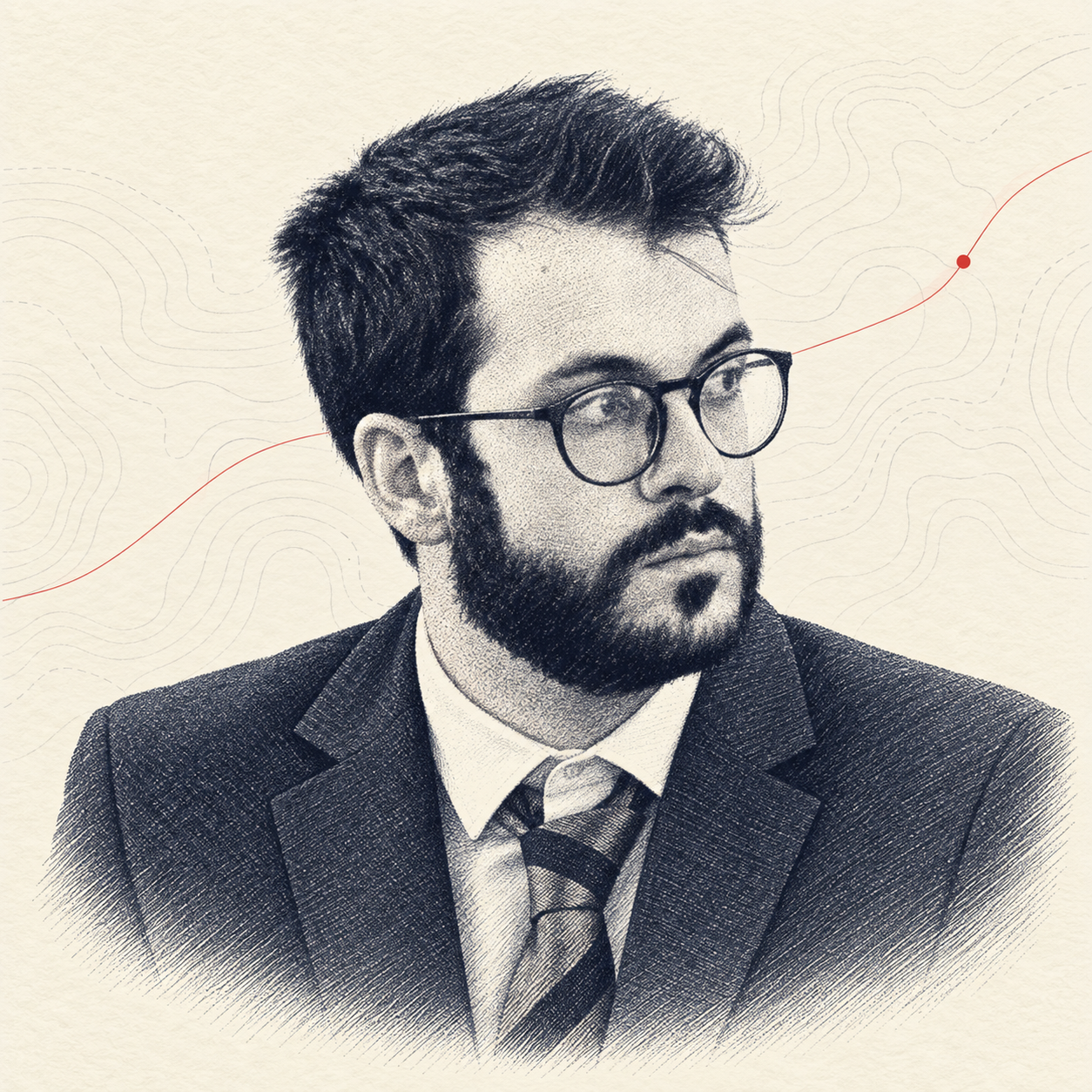
LinkedInFilippo Simonelli is a Ph.D. candidate at the University of Siena, Italy, and a research fellow at the Istituto Affari Internazionali (IAI) in Rome. He was previously a guest researcher at the Complutense University of Madrid. His main research interests include public diplomacy and its intersection with public opinion at both the national and European levels. Alongside this, he has conducted extensive research on Italian foreign policy, with a particular focus on Italy’s role in the Mediterranean and the so-called Enlarged Mediterranean, stretching from the Gulf of Guinea to the Arabian Peninsula. Given the diversity of this region, his work often adopts a comparative perspective, with Spain serving as one of his main comparative cases.
Brussels, Belgium.
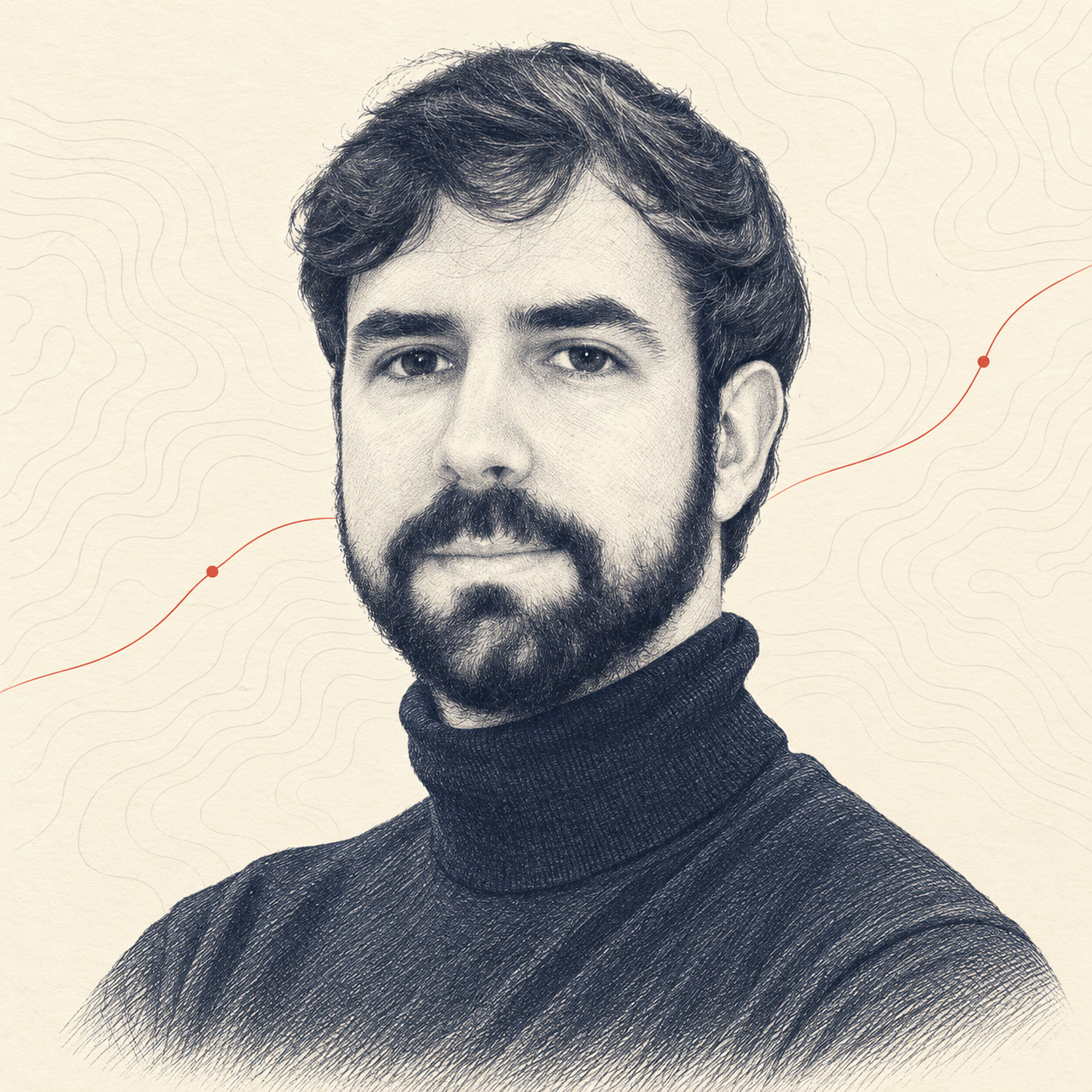
Diego Caballero-Vélez is a Postdoctoral Researcher at the University of Latvia, specialising in EU migration governance, asylum policies, the securitisation of borders, and migration dynamics in Europe and the Mediterranean. He is also an Associate Researcher at the Spanish Institute for Migration Analysis (IEAM).
Salamanca, Spain.
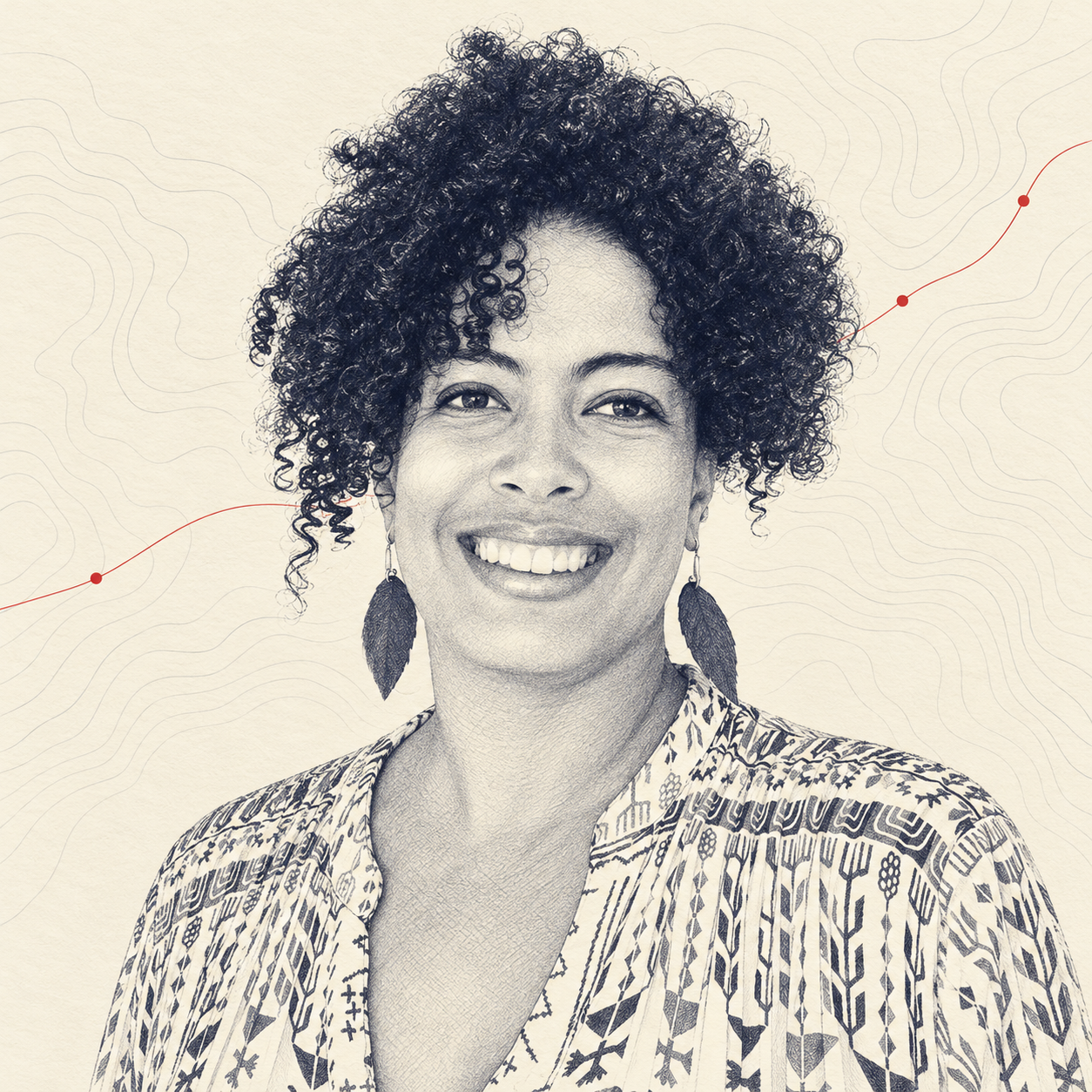
Holder of a degree in Sociology from the University of Havana (2009), Ana Niria Albo Díaz is a Doctor of Sociological Sciences (2025) and an associate researcher. Since the beginning of her professional career, she has linked her work to the study of migrations from a cultural and sociological perspective. She has been a specialist in the Organization of Cultural Activity and in Collection Development at the Casa de las Américas Library (2009–2012), but her research vocation has led her to establish herself as one of the leading Cuban figures in the study of the Latin American diaspora in the United States. She is currently a researcher in the Program of Studies on Latinos in the United States at Casa de las Américas, a full professor at the Center for Demographic Studies (Cedem) at the University of Havana, and a member of the Group for the Study of International Migrations (Gemi) at that university, also affiliated with Cedem. She has participated in more than thirty international scientific events, including multiple editions of the International Congress of the Latin American Studies Association (LASA), as well as in colloquia and seminars in New York, Miami, and Havana. She is co-coordinator, together with Dr. Antonio Aja, of various research projects and publications on the Cuban and Latino community in the United States, and is an active member of academic networks that address the intersection of migration, gender, race, and public policy.
Academic collaborations are key to reinforcing IEAM's research base, working alongside migration experts, and supporting the implementation of their public policy proposals.
Atlantic route · territorial analysis
Cooperation to strengthen analysis and strategic dialogue on the Atlantic route, the Sahel and West Africa, translating field knowledge into forward-looking public policy proposals.
The collaboration between the Spanish Institute for Migration Analysis and the Government of the Canary Islands aims to strengthen analytical capacity, strategic dialogue, and institutional positioning on the Atlantic route, migration dynamics linked to the Sahel and West Africa, and cooperation between countries and territories of origin, transit, and destination. This line of work seeks to translate field-based knowledge and collective intelligence into useful public policy proposals to anticipate route dynamics, reduce vulnerabilities, improve the protection of migrants — particularly minors and women — and promote shared responses based on European co-responsibility, cooperation with West Africa, and human dignity.

Academic research
Under the agreement with the University of Navarra, the report “Migrations and Migrants: Irregular Migratory Routes to Europe. Spain, a Case Study” was published in December 2025. It provides a technical analysis of irregular routes to Europe, with particular attention to Spain.
Euro-Mediterranean perspective
The agreement with UIR reinforces IEAM's Euro-Mediterranean and African perspective, contributing to deepening the analysis of regional mobility dynamics between the Maghreb, West Africa, and Europe.

Social inclusion
IEAM was selected as winner of the 2025 Research Project Competition with "Bridges and Walls: Pathways to the Inclusion of Migrants in Spain," examining social inclusion challenges and integration pathways for migrants.