Executive summary
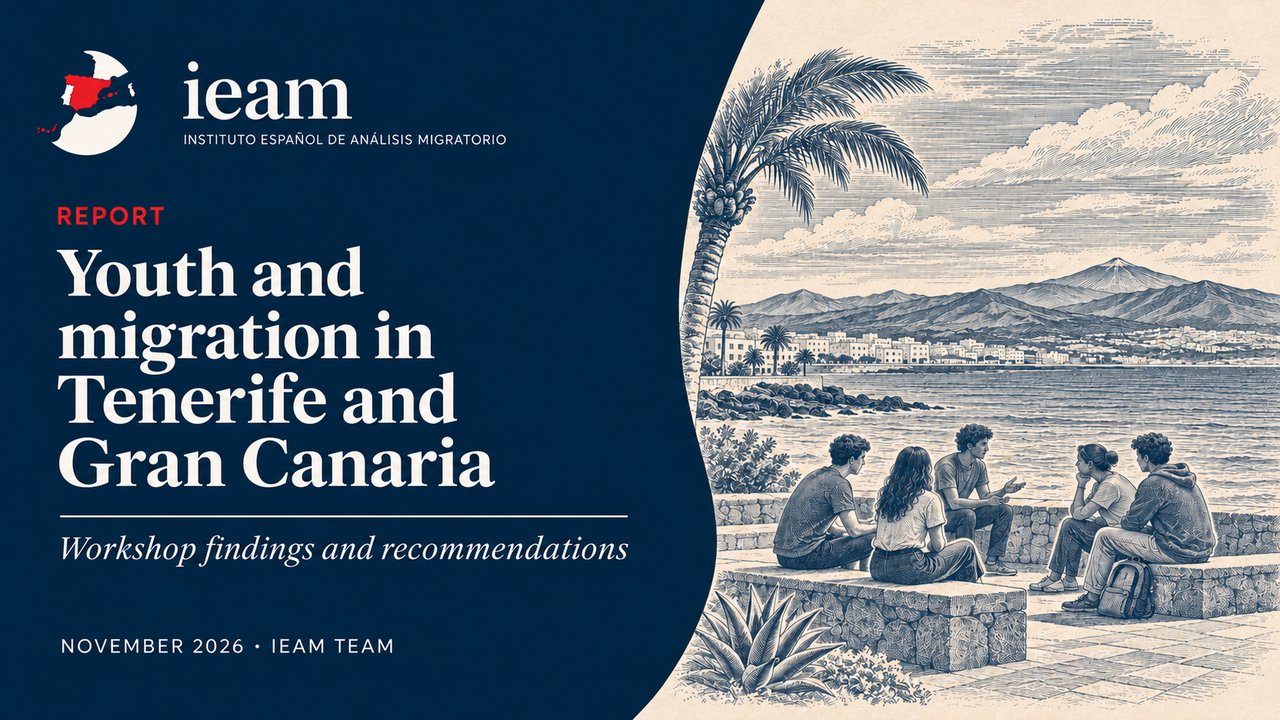
Workshop findings and recommendations for the Government of the Canary Islands
Two workshops took place in Tenerife and Gran Canaria on 9 and 10 November 2026, with approximately 15 to 20 young people attending each session. Participants with and without personal or family experience of migration shared their concerns and proposals about building a life in the islands, including everyday relationships, language, education, employment, housing and participation in decision-making.
The report groups the contributions by theme while preserving differing viewpoints. It examines barriers to maintaining social connections and shared activities, recognition of prior qualifications, continued support during and after reception, safe mobility, security concerns and trust in information. Experiences are presented anonymously, and the workshops are not representative of all young people in the Canary Islands.
Drawing on these contributions, the report develops ten recommendations for the Government of the Canary Islands, to be implemented in coordination with island councils, municipalities and other public bodies and organisations. It proposes linking existing plans to clear responsibilities, resources and timelines, strengthening support and equal treatment, and involving young people in implementing and evaluating measures.
Key findings and recommendations
- Provide sustained opportunities to meet others, learn the language and take part in sport, cultural activities and community organisations.
- Coordinate guidance services and maintain support during reception and after people leave reception facilities.
- Connect recognition of qualifications and experience with education and employment opportunities, while addressing housing and young people’s independence.
- Improve information about migration and Africa and make regular mobility pathways effectively accessible.
- Give young people a visible response to their proposals and evaluate measures with clear responsibilities, resources and follow-up.
A qualitative report based on two workshops; the contributions do not constitute a representative survey.
Read the workshop recap →